
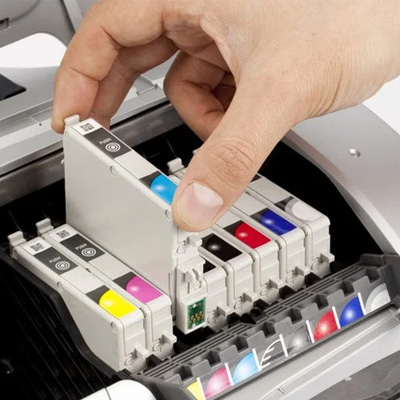
 Why is ink so expensive
Why Is Printer Ink So Expensive?
If you've ever purchased new cartridges and wondered why printer ink costs so much, you're not alone. Many UK families and small offices discover that new ink is almost as expensive as the printer itself. The reasons include a combination of company strategy, complicated technology, and little competition. The good news is that you can still take practical steps to save money without damaging your machine.
This article discusses key aspects and guides you through safe, UK-friendly methods for saving, including compatible solutions from Choice Stationery.
Is Printer Ink Really That Expensive – And What Can You Do Right Now?
When a set of cartridges costs more than a decent bottle of champagne or a tank of petrol, it is understandable to wonder why printer ink is so expensive in the first place. Before we go into the more in-depth reasons, it's helpful to confirm the scope of the problem and consider a few easy improvements you can do today to extend what you already have.
How Expensive Is Printer Ink, Really?
Printer ink is frequently featured on lists of the world's most costly liquids by volume. When you split the price of a branded cartridge by the small number of millilitres it contains, the cost per millilitre can easily approach that of an expensive perfume.
For the average UK home user, printing school homework, work documents, or the occasional return label might put a strain on their budget. A single colour cartridge may contain only a few millilitres of ink yet costs between £15 and £25. Multiply that by three colours plus black, and you're looking at a consistent, considerable expense for relatively light use.
Quick Changes You Can Make Today
You can't change manufacturer prices overnight, but you can alter how you print to save waste. Before you even consider buying new cartridges, make a few basic tweaks to save waste.
- Switch to draft or eco mode. Draft mode is often fully readable for internal papers, grocery lists, and reference printouts while using far less ink.
- Print in greyscale by default. Black ink is often cheaper per page, and many documents do not require colour. Use full colour for pictures, presentations, and client-facing work.
- Preview before printing. Use print preview to save ink on unnecessary pages, website headers, advertisements, or blank parts.
- Batch your print jobs. Printing a few things at once keeps the printer running and can limit the number of background cleaning cycles that use ink.
When High Ink Costs Are A Warning Sign
High ink consumption might sometimes be attributed to the printer rather than your habits. Very inexpensive inkjet printers often use low-capacity cartridges with a high cost per page, and if you print infrequently, the ink can dry in the heads between uses. Feeling like you're constantly buying ink could indicate that your printer isn't a good fit for your needs.
Now that we've confirmed the problem and identified a few easy wins, let's examine the seven key reasons behind the high cost of printer ink.
7 Reasons Why Printer Ink Is So Expensive
No single culprit is to blame for excessive ink prices. The cost represents a combination of company strategy, engineering investment, and market dynamics that affect most major brands, including HP, Canon, Epson, and Brother. Understanding the reasons behind the high cost of printer ink makes it easier to determine what you can and cannot control.
1. Cheap Printers, Expensive Ink (The Razor-And-Blades Model)
Printer makers frequently sell hardware at extremely low margins, sometimes near cost, to increase their installed base. Consumables account for the majority of the printer's profit over its lifetime. This is the classic razor-and-blade model: the razor handle is inexpensive, but the blades are costly.
In practice, you spend less up front for the printer but more over time for cartridges. For those wondering why ink cartridges are so expensive, this cross-subsidy is a significant element of the puzzle.
2. Costly Research, Development And Complex Ink Formulas
Modern ink is far more than colored liquid. A lot of investment by manufacturers goes into developing formulas that quickly dry without smudging, produce vivid, accurate colours, work on various types of paper, and avoid clogging microscopic nozzles.
This research and development costs millions and includes lab work, print-head testing, and long-term fading trials. When you buy genuine cartridges, part of what you pay covers ongoing R&D and specialised manufacturing.
3. Patents And Proprietary Designs Limiting Competition
Many cartridge designs are patented, ranging from the shape of the housing to how the ink flows. These patents prevent other companies from producing identical duplicates, protecting innovation while limiting direct competition.
Third-party producers must build around these patents, which adds complexity and cost. Even when cheaper compatibles are available, the absence of competition in like-for-like cartridges contributes to the high cost of printer ink.
4. Chips, Firmware And "Smart" Cartridges Controlling Supply
More and more cartridges have chips on them that communicate with your printer. These chips verify authenticity, estimate ink levels, and display warnings when ink is low or "expired."
Sometimes, printer firmware updates change how these chips are recognised, which can temporarily block compatible cartridges that used to work. Some manufacturers have faced regulatory scrutiny for this practice; consumer bodies in both the EU and the US have raised concerns about it as unfair competition.
5. Production Quality, Reliability And Brand Premium
OEM cartridges are manufactured under controlled conditions with rigorous quality checks. This reduces the risk of leaks, clogs, or failed prints; as a result, many users are willing to pay a brand premium for peace of mind. Predictable performance is particularly valued by businesses.
It may be a fair question whether this premium is always justified, but it is part of what you see in the shelf price.
6. Lower Sales Volumes And Distribution Costs
Ink cartridges are niche products that sell in relatively small volumes compared to the liquids people use every day. Each one has to be sealed, boxed, labelled, and shipped through a supply chain that includes warehouses, couriers, and retailers.
Those logistics costs make up a larger proportion of the final price than you might expect. Adding in retailer margins and the need to hold stock in various colours and capacities, the prices go up even further.
7. Environmental Standards, Recycling And Compliance Costs
Manufacturers must comply with environmental standards on materials, electronics, and waste. Many of these businesses operate cartridge return and recycling programs that enable shells and their components to be reused or sustainably handled. Designing cartridges for reuse, handling collection, and meeting compliance requirements all contribute to the total cost.
Knowing these seven factors does not suddenly reduce prices, but it does demonstrate that the high cost is not arbitrary. More significantly, it shows where you can make different decisions.
7 Ways To Spend Less On Printer Ink (Without Wrecking Your Printer)
While ink prices might remain high, there are a few sensible adjustments you can make to take back control. The following printer ink-saving tips are safe to use with typical UK home and office printers and will significantly reduce your cost per page over time.
1. Check Cost Per Page, Not Just Cartridge Price
A cheaper printer cartridge may not always represent a better value. What truly counts is the cost per page, which can be calculated by dividing the cartridge price by the specified page yield.
For example:
- A high-yield £30 cartridge is rated to last 1,000 pages and costs 3p per page.
- A basic cartridge priced at £15 and rated for 300 pages costs 5p each page.
On price alone, the cheaper option appears appealing; nevertheless, the cost per page clearly indicates a lower value. Many UK retailers now display the pricing per page to make this easier.
2. Use Draft, Eco And Greyscale Modes As Your Default
For regular documents, you very rarely need full-colour quality. Set draft or eco mode, along with greyscale, as your default settings. Use high-quality colour mode for photos, client work, or anything where appearance really matters.
This single change can significantly extend the life of your cartridges and is one of the simplest ways to save on printer ink.
3. Print Only What You Need – And Batch Your Jobs
Consider whether you truly need a hard copy before you push print. When you do, try batching small jobs so the printer doesn't run in many brief spurts, but rather in fewer, slightly longer sessions.
Because you initiate fewer cleaning cycles, the printer warms up less frequently, and you are more likely to identify unnecessary pages, batch printing is beneficial.
4. Choose High-Yield (XL) Cartridges If You Print Often
If you print a lot, then high-yield or XL cartridges are usually cheaper per page than their standard counterparts. They are more expensive upfront, but last longer and reduce the frequency at which you would need to buy replacements.
Always compare the price differential between standard and XL cartridges, the quoted page yields, and the resultant cost per page. Retailers like Choice Stationery make it easy to identify this comparison.
5. Use Reputable, Compatible, Or Remanufactured Cartridges
Using premium-compatible or remanufactured cartridges from reliable UK vendors is one of the best ways to save on printer ink costs. These are frequently far less expensive than OEM alternatives and are designed to work safely with specific printer models.
Look for unambiguous compatibility information, positive customer feedback, easily accessible UK contact information, and a simple return policy.
6. Store Cartridges Properly And Keep Your Printer Active
If ink is not used for an extended period, it can dry out or separate. Unopened cartridges should be kept unopened until used and stored upright in a cool, dry place away from the sun. If your printer is rarely used, try printing a short test page once or twice a week.
These techniques reduce the risk of replacing cartridges that still contain ink but no longer flow properly, helping prevent clogs.
7. Choose The Right Printer Type For Your Long-Term Use
Choosing a different printer type can sometimes be the best way to save on printer ink.
- Mostly text, high volume: A mono laser printer with toner can provide a substantially cheaper cost per page while avoiding drying difficulties.
- Mixed documents and photographs, moderate use: A mid-range printer with moderately priced cartridges may be the best option.
Consider whether you really need a printer or if a local print shop would be more cost-effective. Once you've established these habits and purchasing selections, let's look at the several alternatives to original manufacturer ink.
Alternatives To Expensive OEM Ink
Aside from adjusting your settings and selecting XL cartridges, you can also vary what you purchase. There are various alternatives to expensive printer ink, each with its own advantages, disadvantages, and suitable applications.
Compatible Ink Cartridges (Third-Party Alternatives)
Compatible cartridges are new items designed by third-party producers to fit your printer. They are not refilled originals; rather, they are new designs that are compatible.
- Pros: Usually much less expensive than OEM; widely available from UK merchants; comparable quality for everyday printing.
- Cons: Quality varies by provider; warning messages may appear; firmware changes can impair compatibility.
Choosing compatible printer cartridges that UK buyers trust involves sticking with known providers who test their products and back them up with warranties.
Remanufactured Cartridges (Refilled Originals)
Remanufactured cartridges start with original OEM shells and are collected, cleaned, refilled, and tested before being sold again.
- Pros: Recycles old plastic and components; typically less expensive than new OEM; reduces waste.
- Cons: Quality depends on the refurbishment process; supply may be inconsistent; and some users report drastically lower page yields.
Refill Kits And In-Store Refilling
Refill kits let you add new ink to your existing cartridges, and some high-street businesses offer in-store refilling.
- Pros: The lowest cost per millilitre of ink; extends cartridge life and eliminates plastic waste.
- Cons: Can be dirty and time-consuming; increases the risk of leakage; varies in quality; not all cartridges are suitable for repeated refills.
Subscription Ink Plans
Some manufacturers offer subscription programs, in which you pay a monthly fee based on the number of pages printed. When your printer senses a low ink level, replacements are automatically shipped.
- Pros: Monthly payments are predictable, and cartridges arrive before they run out.
- Cons: You may pay for pages you do not use; plans often work only with specific printers; and cancellation can feel restrictive.
When Does Switching To A Toner Printer Make Sense?
For intensive text printing, particularly in black and white, a laser printer with toner can be more cost-effective in the long term. Toner does not dry out between uses, offers good page yields, and often has a lower cost per page for documents.
If you do most of your printing in plain text and rarely use colour, switching to a laser printer can be a cost-effective option compared to expensive printer ink.
All of these options exist within the context of how printer manufacturers arrange their companies. Understanding that concept explains why OEM pricing remains high.
The Printer Business Model: Cheap Hardware, Pricey Ink
The trend of inexpensive printers and expensive cartridges is not coincidental; it is fundamental to how the business operates.
How Printer Makers Make Their Money
The majority of consumer printers are sold with minimal profit margins. Some entry-level models are said to be sold at or near cost during promotions. Manufacturers recoup their costs through cartridge sales over time.
If a printer lasts five years and you spend roughly £50 a year on ink, the manufacturer makes far more money from cartridges than from the initial sale. This is a brief overview of the printer ink business model.
Why Chips And Firmware Updates Matter
To save money and maintain quality, manufacturers use cartridge chips and printer firmware to identify cartridges, track consumption, and prevent the use of untested products.
This can result in firmware upgrades that prevent previously operable third-party cartridges from being recognised. This explains why OEMs and appropriate vendors are constantly pushing and pulling.
FAQs
Why Is Printer Ink Sometimes Called One Of The Most Expensive Liquids?
This label represents the price per millilitre, not the raw manufacturing cost. The high figure reflects R&D, patents, packaging, distribution, and the business model, not just the basic ingredients.
Is It Cheaper To Buy A New Printer Than Ink?
Occasionally, a budget printer with starting cartridges is less expensive than a complete set of replacements. However, starter cartridges typically hold less ink, and regularly purchasing printers wastes resources. A better approach is to factor in recurring cartridge costs when selecting a printer.
Is It Okay To Use Off-Brand Ink In My Printer?
Reputable, compatible products from recognised UK vendors are generally safe for daily use. Your printer may display a warning, but this does not necessarily mean that harm has occurred. It is recommended to buy from reputable shops with positive reviews and clear return policies.
Does Cheap Ink Ruin A Printer?
Low-quality ink from unknown sources can clog nozzles, cause leaks, and provide poor colour. Choosing mid-range, well-reviewed compatibles from trustworthy vendors is a safer method than pursuing the lowest possible price.
Is It Cheaper To Refill Or Buy New Cartridges?
Refilling is usually the cheapest option per millilitre, but it takes time and can produce uneven results. Remanufactured cartridges provide a middle ground. New compatible cartridges are slightly more expensive, but they have new components and require less effort to use.
Why Does My Printer Say Empty When I Can See Ink?
Instead of directly sensing ink levels, most printers approximate them using chips and usage patterns. Manufacturers incorporate a safety margin to avoid running entirely dry, which might harm print heads.
Making Printer Ink Costs More Manageable With Choice Stationery
Printer ink is expensive for a variety of legitimate reasons, including a low-cost hardware business strategy, years of research and development, patents and proprietary designs, smart chips and software, distribution costs, and environmental regulations. While you cannot change the underlying principles, you can manage how you print and where you purchase cartridges.
It's critical to understand practical tactics such as monitoring cost per page, using draft and greyscale modes, and batching your projects, as well as selecting high-yield cartridges, properly storing ink, and matching your printer type to your actual needs. You've also seen the primary alternatives to pricey printer ink, such as compatible and remanufactured cartridges, refill options, subscription plans, and toner printers for heavy text usage.
High expenditures are typical, but they do not have to limit your budget. Begin today by checking your ink levels and switching to draft mode for regular printing. When you next need cartridges, go to Choice Stationery and use the Find My Cartridges tool to find the right cartridges. Compare OEM with compatible and Think Alternative options, including multi-buy specials like 4 for 3. Making a few informed decisions today can result in significant savings over the life of your printer.
